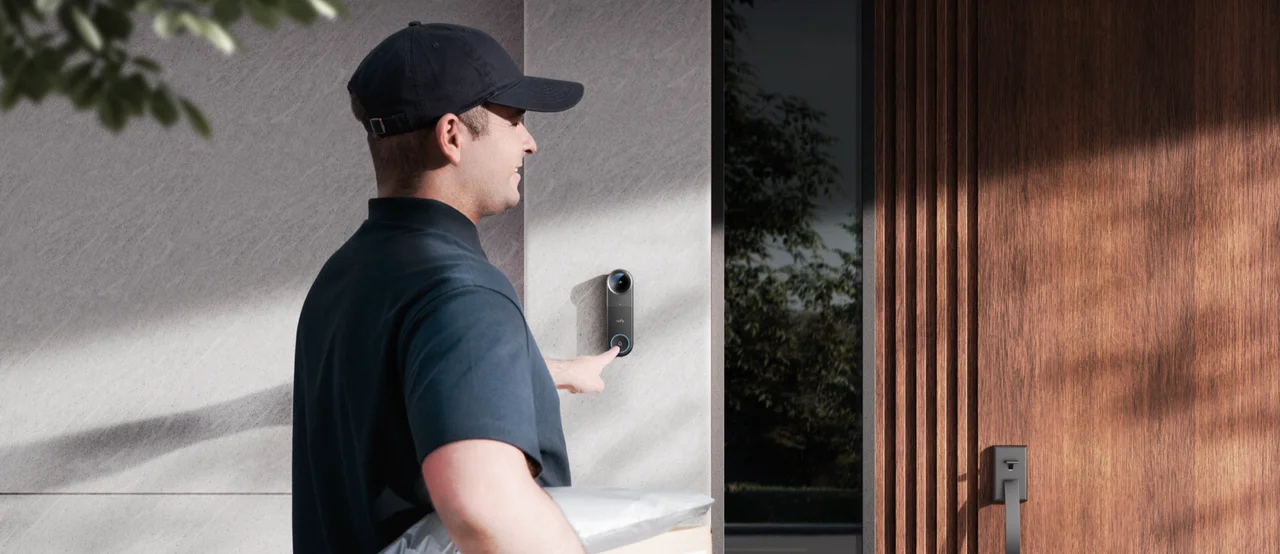
Quick Summary: Hearing Your Doorbell
1. Core Concept: A doorbell extender repeats chime alerts to distant rooms or garages, functioning well when your original chime is mechanically sound.
2. Practical Limits: Running a second wired chime requires running cables through walls, whereas wireless video doorbells route alerts straight to your phone.
3. Actionable Step: Walk your home while a helper rings your bell to pinpoint sound dead zones across upper floors, garages, and backyards.
4. Long-Term Strategy: For family members with high-frequency hearing loss, pair flashing visual strobes and phone vibrations rather than simply increasing volume.
The box was already on the porch when you came downstairs, and a delivery slip taped to the front door claimed nobody was home. You were in the house the entire time, upstairs finishing laundry with the dryer humming. In most residences, the doorbell functions without error; its acoustic chime simply never reaches the rooms where you spend your afternoon. A doorbell extender is frequently the first solution homeowners evaluate, but it is one of several practical options available. This guide details why chimes become inaudible, how extenders, second chimes, amplified units, and smartphone alerts address the issue, and which design best fits your living space.
Table of Contents
- 1. Why You Cannot Hear the Doorbell in Some Rooms
- 2. How a Doorbell Extender Works and Where It Falls Short
- 3. Adding a Second Chime or Choosing a Loud Doorbell
- 4. Getting Doorbell Alerts on Your Phone and an Indoor Chime
- 5. Which Doorbell Fix Fits Your Home
- 6. Practical Testing and Next Steps
- 7. Frequently Asked Questions
- 8. Scientific & Industry References
1. Why You Cannot Hear the Doorbell in Some Rooms
Most traditional wired doorbell installations rely on a solitary chime box. Builders routinely place this unit in a front hallway or foyer, just a few paces from the front entrance. That central entryway position works reliably for anyone relaxing in an adjacent living room. However, in a multi-story home, a split-level layout, or a house with a finished basement, that identical chime can sit two full flights of stairs and multiple closed doors away from where your family actually spends time.
The acoustic barriers typically stem from predictable household factors:
- Architectural Distance: The chime resides near the foyer, while you work in a second-floor home office or relax in a rear bedroom.
- Competing Ambient Sound: Household appliances generate continuous background noise, including dishwashers, clothes dryers, running vacuums, or noise-canceling headphones.
- Outdoor Dead Zones: Garages, outdoor patios, gardening spaces, and backyards sit entirely outside the acoustic perimeter of an indoor chime.
- Auditory Sensitivity Changes: Residents in the home may experience diminished sensitivity to higher-pitched audio frequencies.
That final consideration is exceptionally common. According to clinical data from the National Institute on Deafness and Other Communication Disorders (NIDCD), roughly one-third of adults aged 65 to 74 live with measurable hearing loss, with age-related changes routinely diminishing high-frequency sound perception first. A bright, dual-tone electronic chime that younger family members register instantly can be entirely imperceptible to grandparents reading in an adjacent room. When you maintain an active lifestyle walking around a large property, tracking your daily steps and indoor movement through our Walking Calories Burned Calculator shows just how much ground you cover across floors and outdoor spaces, making static hallway chimes impractical.
2. How a Doorbell Extender Works and Where It Falls Short
A standard wireless doorbell extender operates through a two-piece architecture. You install a compact transmitter module adjacent to your primary chime box. This transmitter registers an incoming ring either by sensing the mechanical sound through an integrated microphone or by connecting directly to the low-voltage chime terminals. Once activated, the transmitter broadcasts a radio-frequency signal to a portable plug-in receiver module positioned in a distant bedroom, upstairs landing, or basement workshop. Quality receivers offer adjustable volume controls, and several models incorporate a flashing LED indicator light.
Because the hardware at your exterior entryway remains untouched, this approach appeals strongly to apartment renters and homeowners who prefer avoiding electrical modifications. However, the system remains fundamentally dependent on your existing equipment. If the original chime has an aging transformer or intermittent mechanical contacts, the transmitter lacks a dependable trigger. Furthermore, dense architectural elements such as subfloors, concrete block, masonry firewalls, and metal ductwork attenuate wireless signal transmission, frequently curtailing manufacturer range ratings.
An extender also performs a single basic task: it duplicates a chime tone. It does not provide visual confirmation of who arrived, nor does it allow two-way communication from your back patio. If your entryway equipment is nearing the end of its useful lifespan, investing in a video doorbell with an indoor chime proves far more versatile, ensuring you can verify visitors and deliveries from anywhere in the home rather than sprinting to the front hall.
3. Adding a Second Chime or Choosing a Loud Doorbell
If you prefer a completely hardwired solution free of wireless batteries or signal dropouts, two traditional electrical options exist: running wire for a secondary chime, or substituting your current chime for a high-output amplified model.
A second wired chime establishes an authentic physical bell on another floor or toward the back of the house, wired in parallel to the main push button. While conceptually straightforward, the physical execution is demanding. Technicians must snake low-voltage cabling through interior walls and floor joists. In addition, powering dual mechanical solenoids typically exceeds the output rating of standard 16-volt, 10-volt-ampere residential transformers, necessitating an upgraded 16-volt, 30-volt-ampere transformer to prevent weak chime strikes.
Conversely, a dedicated high-decibel doorbell replaces the existing chime with an amplified sound unit, frequently incorporating a high-intensity strobe light for accessibility. While wall modifications remain minimal, raw decibel amplification brings practical downsides. Raising volume high enough to penetrate upstairs floorboards often creates an unpleasantly startling blast for anyone sitting in the primary living room downstairs.
4. Getting Doorbell Alerts on Your Phone and an Indoor Chime
Traditional hardwired and amplified bells share a common limitation: they broadcast sound only at fixed architectural positions. A connected video doorbell shifts this paradigm by routing alerts directly to your smartphone, smartwatch, and portable plug-in chimes placed in high-traffic family areas. Whether you are folding laundry upstairs, working in the garage, or relaxing on the patio, the alert travels with you.
For residences with existing low-voltage doorbell wiring, the eufy Video Doorbell S4 exemplifies this integrated design. The system includes the companion eufy Chime 2, which plugs into any standard household electrical outlet to deliver customizable acoustic alerts indoors. Simultaneously, pressing the exterior button initiates an instant video call notification on your smartphone, enabling real-time two-way audio from your desk or backyard garden. Its expansive 180-degree by 180-degree viewing angle captures both head-to-toe visitor visuals and ground-level package drops, resolving delivery confirmation immediately.
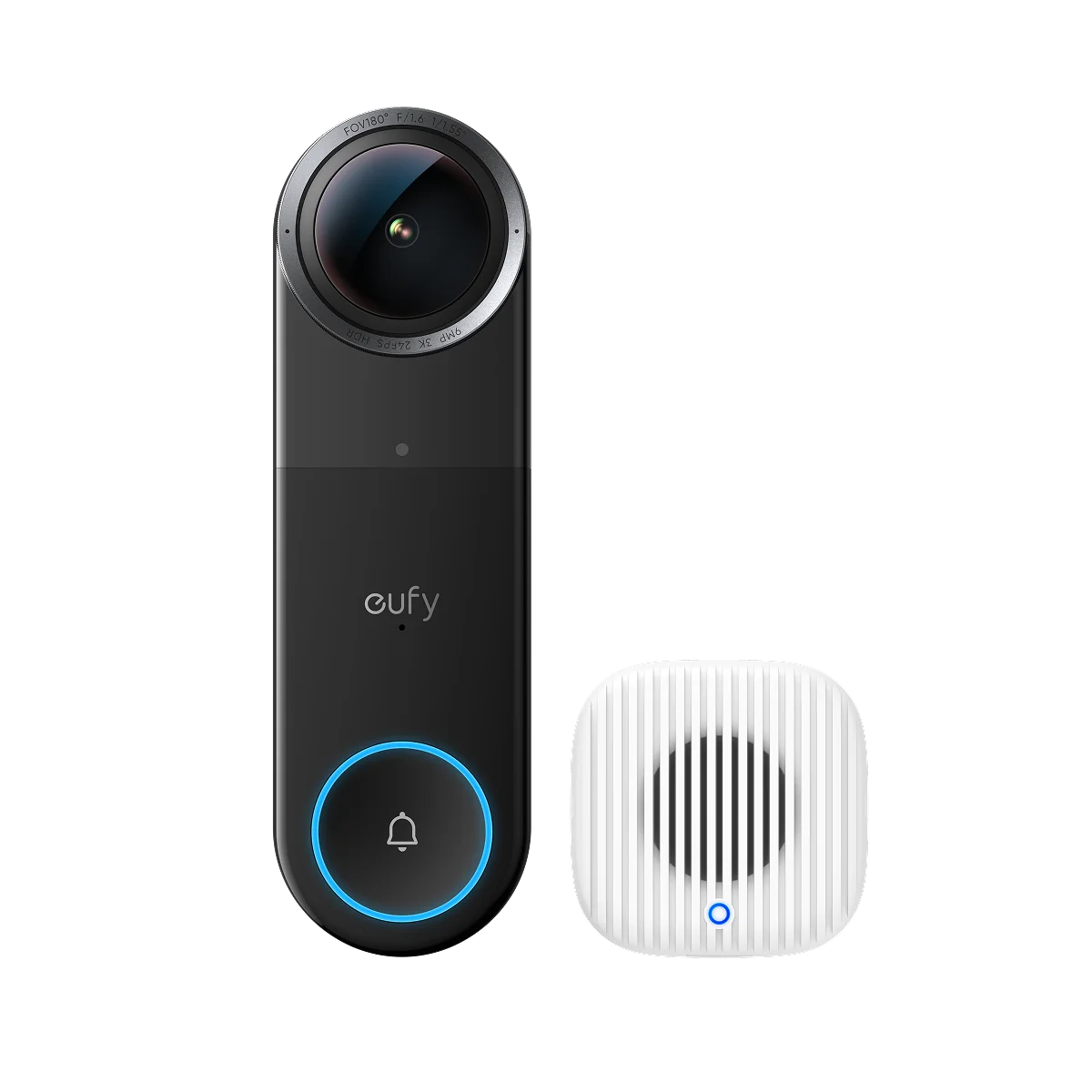
While connected systems provide exceptional convenience, they require stable exterior Wi-Fi signal coverage at the front door and dependable upload bandwidth. If your household prioritizes daily wellness and structure, maintaining a responsive living environment complements active routines. For instance, pairing smart home alerts with regular physical movement, such as calculating baseline activity through our TDEE Calculator, helps you maintain healthy habits while managing a bustling home.
Walking Calories Burned Calculator
Estimate your daily energy expenditure from navigating multi-level stairs, gardening in the yard, and routine household movement.
5. Which Doorbell Fix Fits Your Home
Determining the ideal hardware configuration depends on where sound gets lost, your budget, and whether you are willing to alter interior wiring:
| Hardware Option | What Changes at Home | Works Best For | Primary Limitation |
|---|---|---|---|
| Doorbell Extender | Transmitter mounted at main chime, plus plug-in receiver | Renters, or homes with one specific isolated bedroom | Relies on existing chime condition; range degrades across thick walls |
| Second Wired Chime | Low-voltage wiring pulled to an additional room or floor | Homeowners wanting permanent, non-wireless secondary sound | Involves drywall work, fishing wire, and upgraded transformer |
| Loud Amplified Chime | Existing chime swapped for high-decibel unit, often with strobe | Open-concept spaces and individuals with hearing impairment | Excessively loud in the foyer without guaranteeing multi-floor clarity |
| Video Doorbell with Phone Alerts | New smart doorbell at entrance, mobile app, and portable chimes | Multi-story homes, active yards, and home office workers | Requires dependable Wi-Fi signal and active phone notifications |
6. Practical Testing and Next Steps
If you regularly miss package deliveries or visitors, the underlying cause usually narrows down to acoustic distance, competing mechanical noise, or individual hearing sensitivity. Rather than guessing which device to purchase, conduct a quick diagnostic walkthrough with a family member or neighbor.
Have your helper press the front doorbell at thirty-second intervals while you walk steadily through every section of your property: upper bedrooms, basement laundry rooms, the garage, and rear yard perimeters. Note precisely where the chime becomes faint or drops into complete silence. This straightforward mapping exercise will tell you far more than any equipment spec sheet, ensuring you invest in the exact solution, whether an extender, an amplified chime, or a connected video system, that covers your home effectively.
7. Frequently Asked Questions
Home Living Verified
Frequently Asked Questions: Doorbell Extenders and Chimes
Why can't I hear my doorbell upstairs or in the backyard?
Most traditional builders mount a single chime in the central front hallway. Solid interior doors, floor insulation, ambient noise from appliances (such as laundry machines, dishwashers, and televisions), and distance weaken chime sound waves before they reach second-floor bedrooms or outdoor patios.
How does a wireless doorbell extender work with an existing chime?
A doorbell extender pairs a small transmitter placed next to your current chime with a plug-in remote receiver. When the transmitter detects the mechanical chime or electrical impulse, it broadcasts a wireless radio signal to the receiver located in a distant room, garage, or upstairs hallway.
Is it better to add a second wired chime or upgrade to a video doorbell?
Adding a second wired chime requires running low-voltage wiring through walls and often upgrading your doorbell transformer. A modern video doorbell with plug-in chimes and smartphone notifications provides multi-room coverage and remote answering without cutting drywall or pulling new cables.
What is the best doorbell solution for seniors or people with hearing loss?
For individuals with age-related high-frequency hearing loss, relying solely on louder chimes is often ineffective. Combining a lower-frequency audible chime, a flashing visual strobe receiver, and smartphone vibration alerts provides redundant multi-sensory notification that rarely gets missed.
8. Scientific & Industry References
- National Institute on Deafness and Other Communication Disorders (NIDCD): Age-Related Hearing Loss (Presbycusis) Clinical Overview and High-Frequency Tone Loss Research, National Institutes of Health.
- Audio Engineering Society (AES): Sound Propagation and Transmission Loss in Multi-Story Residential Architecture Standards.
- eufy Security Engineering: eufy Video Doorbell S4 Technical Specifications, Dual Chime Routing, and 180-Degree Optical Field Architecture.