Quick Summary
1. The short answer: Starting quantities per serving:
2. Also covered: Are bean bowls a good choice for a tight food budget?
3. Also covered: Three bowl combinations to try
4. Also covered: How to calculate the true cost per serving
Table of Contents
1. Are bean bowls a good choice for a tight food budget?
Beans and lentils are flexible ingredients that provide both protein and fiber. They can form the base of a filling bowl alongside rice, vegetables, and a sauce you already enjoy. They also work with pantry staples, which makes them useful when you want to prepare several lunches without buying a long list of specialty products.
That does not mean every bean bowl is automatically the cheapest meal in your store. The true cost depends on dried versus canned beans, local prices, cooking fuel, waste, and the number of servings you make. Here is a practical way to plan three bowls and calculate what each one really costs.
2. Three bowl combinations to try
1. Black bean and rice bowl
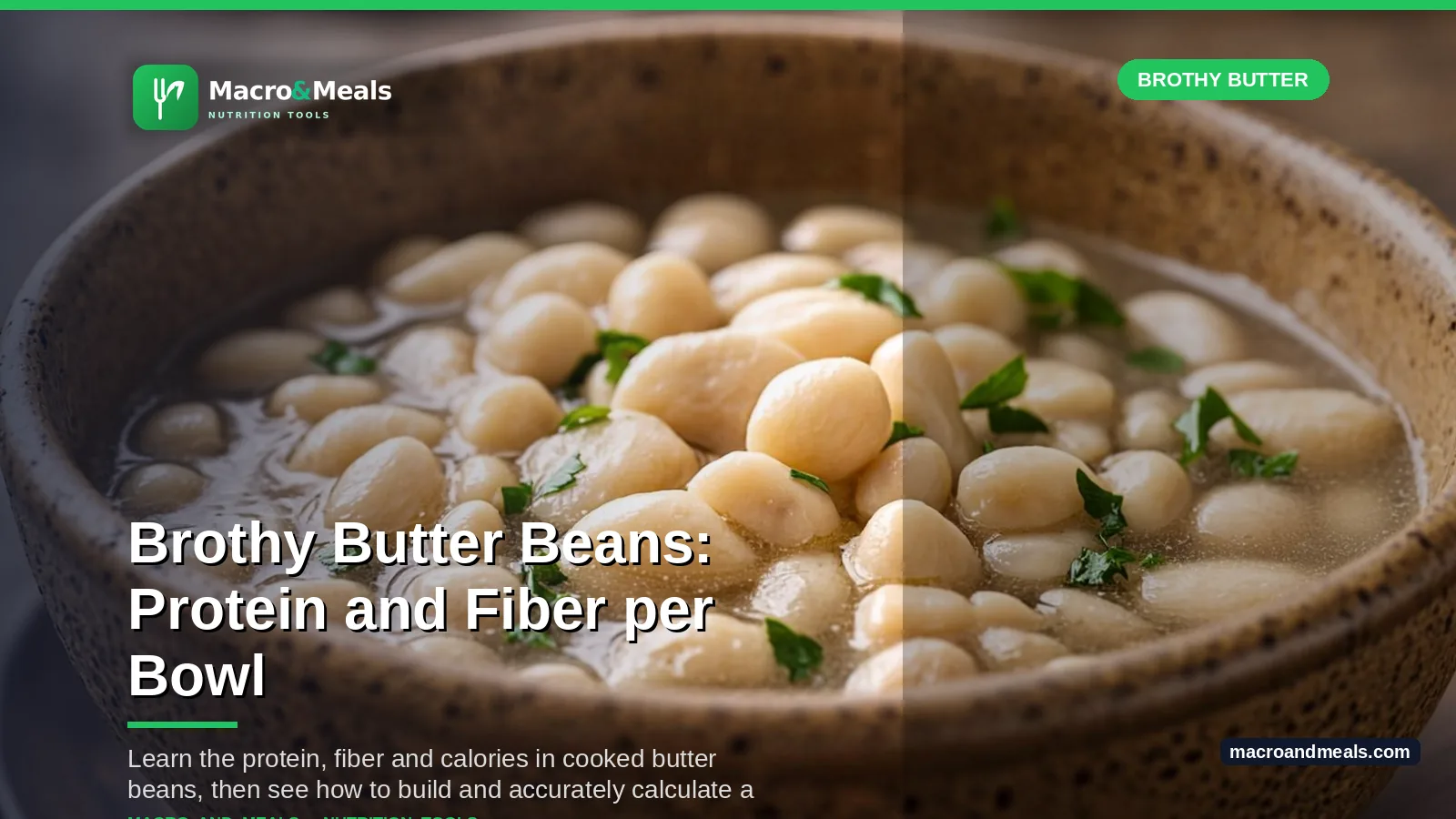
Starting quantities per serving: 1/2 cup cooked black beans, 1/2 cup cooked rice, 1/2 cup sautéed peppers and onions, salsa, lime juice, and optional measured yogurt or shredded cheese.
This is the most pantry-friendly starting point if you already have rice and canned beans. Warm the beans, rice, and vegetables, then finish with salsa and lime. If you want more protein, consider a measured portion of tofu, chicken, or extra beans and recalculate the nutrition instead of assuming the change is negligible.
Nutrition anchor: Harvard Health lists 7 grams of protein in 1/2 cup black beans. The rest of the bowl adds additional nutrients, but a reliable full total requires exact quantities and matching ingredient data.
2. Lemon-lentil and quinoa bowl
Starting quantities per serving: 1/2 cup cooked lentils, 1/2 cup cooked quinoa, 1/2 cup roasted carrots and cauliflower, fresh parsley, lemon juice, and a measured amount of olive oil.
Lentils and grains create a different texture from beans and rice. This bowl works well warm or chilled, depending on the ingredients and how you store them. Prepare the lentils and quinoa ahead if you want a quicker assembly day.
Nutrition anchor: Harvard Health lists 9 grams of protein in 1/2 cup cooked lentils. Additional protein and fiber come from the quinoa and vegetables. Do not rely on a recipe's name to determine the final grams.
3. Chickpea, cucumber, and tomato bowl
Starting quantities per serving: 1/2 cup drained, rinsed chickpeas, 1/2 cup cooked grain of choice, diced cucumber, tomato, chopped herbs, lemon juice, and a measured dressing.
This version is useful when you want a cold lunch. Keep the dressing separate if you are assembling several portions and prefer a firmer texture. Canned chickpeas are convenient, but their nutrition and sodium vary by product. Use the label for your specific can.
3. How to calculate the true cost per serving
Use cost of ingredient quantity actually used, not the full package price unless you used the whole package.
Ingredient cost used = (quantity used / quantity purchased) × purchase price.
Then add the ingredient costs and divide by the number of finished servings:
Cost per serving = total cost of ingredients used / number of servings.
Here is an intentionally hypothetical illustration, not a claim about October 2026 grocery prices. If the ingredients used in a batch cost $8.40 in total and the batch makes four equal bowls, the ingredient cost is $2.10 per bowl. If you add toppings costing $1.20 across the batch, your new total is $9.60, or $2.40 per bowl.
A useful real-world price comparison also accounts for packaging you cannot use, shopping fees, energy for long cooking times, and whether leftovers are wasted. Dried beans may be a better deal in one store, while canned beans may save enough time to make them the more practical choice elsewhere.
4. Should you buy dried or canned beans?
Dried beans require soaking or a longer cooking process, depending on the variety and method. Canned beans generally require little preparation. Compare the cost per cooked, drained portion, not the cost per ounce of uncooked dry beans against an ounce of canned beans with liquid. They are not equivalent amounts.
If you cook a batch of dry beans, weigh the usable cooked yield. Divide the purchase cost by that yield. For canned beans, use the drained weight listed on the can or measure the quantity you actually use. These details can change which option is genuinely cheaper.
For sodium, compare labels on canned products and choose the option that works for your preferences and needs. Rinsing may change the prepared food's sodium, but the exact difference depends on the product and method.
5. How to get useful protein and fiber numbers
Use the actual ingredients, brands, and states of preparation. A dry lentil entry is not interchangeable with a cooked lentil entry. A serving of homemade rice is not always the same weight as a restaurant rice portion.
The MacroAndMeals recipe nutrition calculator is designed to help assemble ingredient totals. Check that it has the correct cooked or drained version of each ingredient, then enter the cooked yield and the number of portions. Include oil and sauce rather than only beans and rice.
Harvard Health's protein reference is a useful starting point. For more detailed nutrient records, use USDA FoodData Central.
6. Why beans are getting attention
The Whole Foods Market 2027 trend report identifies a growing interest in beans and legumes as main-dish ingredients rather than just sides. It also highlights bean salads, lentil bowls, and chickpea dishes on social platforms.
A trend report can suggest what people may become curious about, but it cannot tell you the best bowl for your household. A satisfying, repeatable lunch is more valuable than recreating a social-media recipe you will not make twice.
7. The takeaway
Start with one affordable bean or lentil, add a grain and a vegetable, and use ingredients you can buy consistently. Calculate cost from real receipts and nutrition from actual portions. That gives you a repeatable lunch you understand, rather than a generic claim that every “budget bowl” costs the same.
Sources
- Harvard Health: Practical pointers about protein.
- Whole Foods Market: Top Food Trends for 2027.
- USDA FoodData Central.
- USDA MyPlate Protein Foods Group.
Calculate Nutrition for Any Recipe
Break down your own recipe into calories, protein, carbs and fat per serving.